top of page

All Posts

India is a land of diverse cultures, rich history, and astonishing landscapes. From the snow-capped Himalayas to the serene beaches of Goa, India offers a plethora of travel experiences for every kind of traveler. In this post, we will explore some of the top-rated destinations to visit in India that should be on every traveler's bucket list.


India Travel Spots


When it comes to travel, choosing the right destination is key. The following are some of the must-visit india travel spots that showcase the country's beauty and heritage.


1. Agra - Home of the Taj Mahal


Agra is synonymous with the breathtaking Taj Mahal, one of the Seven Wonders of the World. This majestic mausoleum was built by Mughal Emperor Shah Jahan in memory of his beloved wife, Mumtaz Mahal.


Eye-level view of the Taj Mahal in Agra
A stunning view of the Taj Mahal against a clear blue sky.

Visiting the Taj Mahal at sunrise is highly recommended to avoid crowds and experience its beauty in a tranquil setting. The intricate marble inlay work is mesmerizing, and the gardens surrounding the monument allow for reflecting moments. Beyond the Taj, Agra Fort is another UNESCO World Heritage Site that offers a glimpse into Mughal architecture and history.


2. Jaipur - The Pink City


Jaipur, also known as the Pink City, is famous for its stunning palaces and vibrant bazaars. The rich history of Jaipur can be experienced at the City Palace, where you can explore royal artifacts and art.


High angle view of the Hawa Mahal in Jaipur
The Hawa Mahal is a remarkable example of Rajput architecture.

A visit to the Hawa Mahal, or the Palace of Winds, is a must. Its unique façade and numerous windows were designed for royal women to observe street festivals without being seen. When in Jaipur, don’t forget to explore the colorful markets like Bapu Bazaar, where you can shop for traditional handicrafts and textiles.


Which is the most visited destination in India?


Among the numerous places to visit, the Taj Mahal in Agra is often cited as the most visited destination in India. Millions flock to see this symbol of love each year, making it a key highlight in Indian tourism.


Statistics show that over 8 million visitors visit the Taj Mahal annually, making it an irreplaceable part of India's cultural fabric. It is a significant pilgrimage for travelers seeking beauty and romance.


3. Kerala - God’s Own Country


Kerala is renowned for its stunning backwaters and lush greenery. It’s a paradise for nature lovers and those seeking tranquility. The backwaters of Alleppey are particularly famous for houseboat rides, where tourists can glide through serene waters surrounded by palm trees.


Close-up view of a houseboat in the backwaters of Alleppey
A peaceful houseboat drifting through the lush green backwaters of Alleppey.

Moreover, Munnar, a hill station in Kerala known for its tea plantations, offers breathtaking landscapes and cool climate. Visitors can take guided tours through the tea gardens and savor fresh brews. With Ayurvedic treatments and yoga retreats, Kerala is also the perfect destination for wellness.


4. Varanasi - The Spiritual Heart of India


Varanasi is one of the oldest inhabited cities in the world and holds immense religious significance for Hindus. The ghats along the Ganges River offer a unique cultural experience, especially during the Ganga Aarti ceremony, which draws crowds who come to witness this sacred ritual.


Eye-level view of the Ganga Aarti ceremony in Varanasi
The Ganga Aarti ceremony showing a spiritual event on the banks of the river.

A boat ride at dawn can be an extraordinary experience, as the sun rises over the Ganges, creating an ethereal atmosphere. Varanasi also provides a glimpse into traditional Indian life, making it a fascinating destination to explore.


5. Goa - A Piece of Paradise


Goa is famous for its beautiful beaches, vibrant nightlife, and Portuguese heritage. It is a perfect getaway for both relaxation and adventure. Popular beaches like Baga and Anjuna are excellent for sunbathing and water sports.


Wide angle view of a sandy beach in Goa
A beautiful sandy beach in Goa with clear skies and gentle waves.

For those interested in history, Old Goa features stunning churches and cathedrals, showcasing the rich colonial past of the region. The diverse cuisine, influenced by both Indian and Portuguese flavors, is another highlight for food enthusiasts.


6. Ladakh - The Land of High Passes


Ladakh captures the hearts of adventure seekers and nature lovers alike. The rugged landscapes and stark mountains provide a backdrop for trekking, photography, and exploring ancient monasteries.


Pangong Lake, with its stunning blue waters, and Nubra Valley, known for its unique sand dunes and double-humped camels, are must-visit spots in this region.


7. Rishikesh & Haridwar - Yoga and Spirituality


For those seeking a spiritual experience, Rishikesh and Haridwar are two exceptional destinations. Rishikesh, known as the "Yoga Capital of the World," attracts many for yoga and meditation retreats.


In Haridwar, the Kumbh Mela festival is a significant event that draws millions, making it one of the largest religious gatherings on the planet.


Experience the Diversity


With diverse climates, cultures, and customs, India offers something for everyone. From the vibrant festivals celebrated throughout the year to the delicious regional cuisines, each destination tells a unique story.


When planning your trip, be sure to explore the various india travel spots and allow yourself to soak in the rich experiences that come with each location.


Each of these destinations offers a myriad of activities and sights that are sure to create unforgettable memories. Whether you're interested in history, nature, adventure, or spirituality, India has it all.


So, what are you waiting for? Start planning your journey to these magnificent destinations in india and embrace the beauty of this incredible nation.


Embark on Your Journey


India is a treasure trove of experiences waiting to be explored. From bustling cities to serene landscapes, the adventures are endless. Remember to research, pack wisely, and embrace the culture as you travel through this enchanting land. Each sight, sound, and taste will deepen your understanding and appreciation of India.


Kathmandu is a city rich in culture, history, and striking architecture. Among its many treasures, Kathmandu Durbar Square stands out as a significant historical site. This UNESCO World Heritage Site is not just a place to visit; it is a journey back in time, showcasing the once-glorious kingdom of Nepal. In this post, we will explore the captivating charm of Kathmandu Durbar Square and the historic sites in Kathmandu that surround it.


Historic Sites in Kathmandu


Kathmandu is home to numerous historic sites, each telling a unique story of the city's vibrant past. From ancient palaces to intricate temples, there is a wealth of history waiting to be uncovered.


One of the most notable sites is the Swayambhunath Stupa, also known as the Monkey Temple. This ancient religious site is perched atop a hill, providing breathtaking views of the Kathmandu Valley. The stupa dates back to the 5th century and is a symbol of peace and harmony.


Another remarkable site is the Boudhanath Stupa, which is one of the largest stupas in the world. It serves as a focal point for Buddhist pilgrims and boasts a remarkable array of monasteries surrounding it. The intricate mandalas and stunning architecture of Boudhanath make it a must-visit destination.


Wide angle view of Boudhanath Stupa with clear blue skies
Boudhanath Stupa standing tall against the blue sky

Kathmandu’s historic sites are not limited to religious monuments. The city also features the impressive Patan Durbar Square, a UNESCO World Heritage Site known for its exquisite craftsmanship. The square is adorned with beautiful temples and palaces, displaying the rich history and artistic heritage of the region.


There is something truly special about walking through these historic squares, where every corner holds a piece of ancient artistry and tradition. Visitors can enjoy the flavors of local cuisine at street food stalls, further immersing themselves in the Kathmandu experience.


What is Special About Kathmandu Durbar Square?


Kathmandu Durbar Square is the centerpiece of several historical attractions in the city. The square itself is a living museum, showcasing an array of architectural styles that reflect the evolution of the Malla kings.


One of the most iconic structures in the square is the Hanuman Dhoka Palace. This royal palace served as the residence of the Malla kings and showcases elegant courtyards and beautifully carved windows. The intricate details of the architecture provide insight into the royal life of the past.


In addition to the Hanuman Dhoka Palace, the square features a variety of temples, including the Taleju Temple and the Vishnu Temple. These temples are not only significant religious sites but also remarkable examples of traditional Nepalese architecture.


High angle view of Hanuman Dhoka Palace's intricate architecture
Hanuman Dhoka Palace showcasing Nepalese architectural brilliance

An interesting aspect of Kathmandu Durbar Square is its communal atmosphere. Visitors can often see cultural performances, art exhibitions, and traditional festivals taking place. The square is a hub of social activity and provides a genuine glimpse into the lives of the local people.


Statistics show that Kathmandu Durbar Square attracts thousands of tourists each year, making it a vital part of Nepal's economy. It is crucial for visitors to be respectful while exploring this historical site, as many locals still use the square for daily activities and religious ceremonies.


Discovering the Local Culture and Heritage


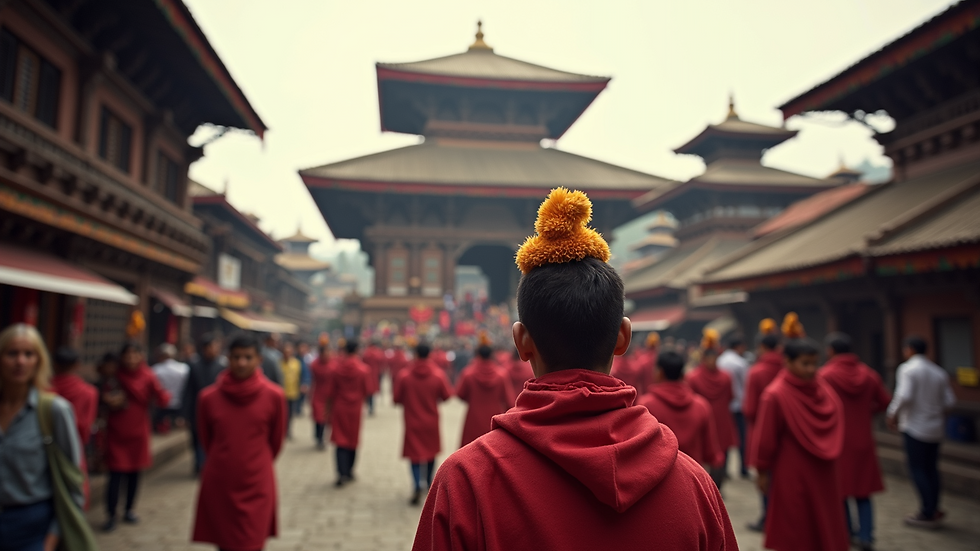
A visit to Kathmandu Durbar Square is not complete without experiencing the local culture. The square serves as a perfect backdrop for various traditional events and festivals. During these celebrations, you can witness vibrant processions adorned with traditional clothing, music, and dance.


One of the most notable festivals is Indra Jatra, celebrated in September. This festival honors the goddess of rain and harvest. It features a lively celebration complete with traditional dances, music, and the appearance of the living goddess, known as the Kumari.


Eye-level view of Kathmandu Durbar Square during a festive celebration
Kathmandu Durbar Square alive with vibrant festival colors

Exploring the square also provides visitors an opportunity to sample local cuisine. Street vendors offer a wide range of delicious foods, from spicy samosas to sweets like jalebi. Participating in local food culture adds to the enriching experience of visiting Kathmandu Durbar Square.


For those looking to take home a piece of Nepalese heritage, the square is surrounded by numerous artisans selling traditional handicrafts. From intricate wood carvings to colorful textiles, these shops provide a great opportunity to support local artisans while finding unique souvenirs.


Practical Tips for Visiting Kathmandu Durbar Square


Before you embark on your journey to Kathmandu Durbar Square, here are some practical tips to enhance your experience:


  • Best Time to Visit: The ideal time to visit is during the spring (March to May) and autumn (September to November) months. The weather is pleasant, making your exploration more enjoyable.


  • Dress Code: Dress modestly, as this is a sacred site for many locals. Avoid wearing revealing clothes out of respect for the culture.


  • Entry Fees: Be aware that there is an entrance fee for foreigners visiting the square. Be sure to carry cash, as electronic payment might not always be accepted.


  • Guided Tours: Consider joining a guided tour to gain a deeper understanding of the history and significance of the square. Local guides can provide invaluable information and stories that you may miss otherwise.


  • Respect Local Customs: Always be respectful of local traditions and practices. Do not disturb worshippers or take photos in prohibited areas.


Final Thoughts on the Allure of Kathmandu Durbar Square


As you explore the rich history and culture of Kathmandu, few places capture the essence of the city quite like Kathmandu Durbar Square. This historic site is a testament to the artistry of the past, the vibrancy of local culture, and the resilience of the people.


With its remarkable temples, royal palaces, and communal atmosphere, Kathmandu Durbar Square is a captivating destination that leaves visitors with lasting memories. Whether you are a history buff, an architecture enthusiast, or just looking to experience the local culture, a visit here is undoubtedly worthwhile. Embrace the beauty, the stories, and the heritage that define this enchanting square.


Remember, the journey doesn’t end in Kathmandu Durbar Square. The surrounding areas brimming with history and charm await your exploration. Don’t forget to take a moment to simply sit and absorb the beauty of this remarkable site, as it continues to be a significant part of Kathmandu’s soul.


So, pack your bags, and get ready to discover the enchanting historical charm of Kathmandu Durbar Square and beyond!


Nestled in the heart of Nepal, Bhaktapur Durbar Square stands as a testament to the rich cultural heritage and architectural splendor of the Kathmandu Valley. This UNESCO World Heritage Site, which dates back to the 12th century, captures the essence of Nepal's history, art, and urban planning. Surrounded by traditional architecture, lively squares, and breathtaking temples, the square is a place where time seems to stand still. Whether you are an avid history buff, a photography enthusiast, or simply seeking a tranquil escape, Bhaktapur Durbar Square has something to offer everyone.


A Closer Look at Nepalese Historic Landmarks


Bhaktapur Durbar Square is just one of the many historic landmarks in Nepal, a country renowned for its rich cultural fabric. Each site tells a story, with intricate details that transport visitors back to an era of kings and artisans. Landmarks such as the Swayambhunath Stupa, Pashupatinath Temple, and Patan Durbar Square showcase the brilliance of Nepalese architecture, blending spirituality with artistry.


The Kathmandu Valley is home to several such landmarks, each reflecting distinct historical and cultural narratives. For instance, the Swayambhunath Stupa, also known as the Monkey Temple, is perched atop a hill, and its stupa is adorned with colorful prayer flags, exuding an aura of peace. Similarly, the Pashupatinath Temple attracts thousands of pilgrims and tourists alike, showcasing the importance of Hinduism in Nepali culture.


What to Expect When Visiting Bhaktapur Durbar Square


As you approach Bhaktapur Durbar Square, the first thing that may strike you is its vibrant atmosphere. The square is often bustling with local artisans, vendors, and visitors. You will encounter a stunning array of monuments, including the 55-Window Palace, Vatsala Temple, and Bhairab Nath Temple. Each structure tells a unique story, highlighting the artistry and historical significance of the region.


One of the key attractions is the Nagdele, a statue of the sacred snake lord. Visitors can observe rituals performed by locals and experience the captivating spiritual energy that permeates the area. Keep your camera ready, as every corner of Bhaktapur is a potential snapshot, revealing the architectural gems and lively culture that defines the square.


Wide angle view of the intricate carvings of Bhaktapur Durbar Square
Intricate carvings showcasing the architecture of Bhaktapur Durbar Square.

What is the Problem of Bhaktapur Durbar Square?


Despite its beauty and historical significance, Bhaktapur Durbar Square faces several challenges. Post the 2015 earthquake, which struck Nepal, the square suffered significant damage. Many of the structures were damaged or collapsed, and restoration efforts take time and resources. The local government and various organizations are working tirelessly to revitalize the area, but funding for restoration is inconsistent, limiting the pace of recovery.


Additionally, with the rise in tourism, there are concerns regarding the preservation of the square's authenticity. Overcrowding can wear down the monuments and detract from the experience for both visitors and locals. Sustainable tourism practices must be encouraged to ensure that this historical landmark remains intact for future generations to appreciate.


Enriching Your Visit: Tips for Exploring Bhaktapur Durbar Square


To make the most of your trip to Bhaktapur Durbar Square, consider the following tips:


  1. Wear Comfortable Shoes: The square features cobblestone streets that can be uneven. Comfortable footwear will allow you to explore without hassle.


  2. Go Early or Late: The square can get crowded, especially during peak tourist seasons. An early morning or late afternoon visit allows you to enjoy a quieter experience and capture stunning photos without the crowds.


  3. Engage with Locals: Don’t hesitate to strike up conversations with local vendors and artisans. Their stories and insights will enrich your understanding of the culture.


  4. Savor Local Cuisine: Bhaktapur is famous for its traditional Newari dishes. Try the local specialty, “king curd” (juju dhau), and indulge in other delicacies at nearby eateries.


  5. Consider a Guided Tour: Hiring a local guide can enhance your experience, providing in-depth knowledge about each monument and the history of Bhaktapur.


Eye-level view of a local vendor selling traditional Newari delicacies
Local vendor showcasing delicious Newari street food.

The Future of Bhaktapur Durbar Square


The future of Bhaktapur Durbar Square is promising but requires continued efforts from both locals and visitors. Community engagement is crucial in preserving the square's cultural significance. Educational programs that teach younger generations about the area’s heritage can ensure that traditions are passed down.


Moreover, promoting responsible tourism can help mitigate the impact of overcrowding. Simple efforts like ensuring a clean environment, respecting local customs, and supporting local businesses can contribute significantly to the area's sustainability.


In conclusion, Bhaktapur Durbar Square is not just a tourist destination; it is a living testament to Nepal's rich history and culture. With its stunning architecture, vibrant local life, and enduring traditions, it remains an essential part of Nepalese heritage. By experiencing and respecting this majestic square, you contribute to its preservation for generations to come.


High angle view of Bhaktapur Durbar Square at sunset
Bhaktapur Durbar Square bathed in golden light during sunset.


Blog: Blog2

Address

Damaruwa, Basti

(Uttar Pradesh)

Phone

+91 9453600887

+91 9935967769

Email

Connect

  • Youtube
  • Facebook
  • Instagram

© 2026 Sahay Travels. All rights reserved.

bottom of page